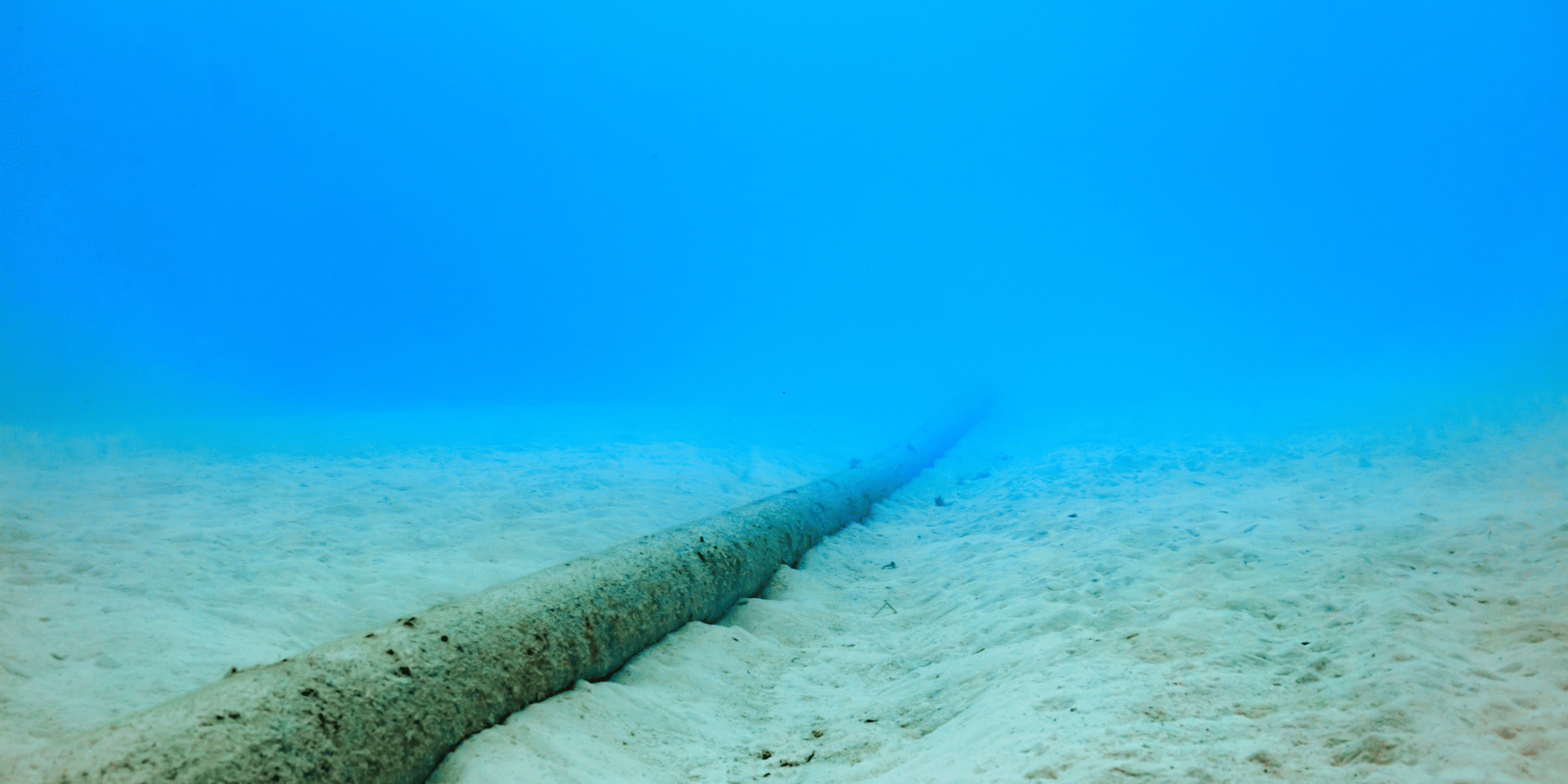
Egypt connects to new submarine fiber optic cable
July 10th 2025
Once operational, the SEA-ME-WE-6 cable should help improve the quality and resilience of internet connectivity in the affected regions. It would also optimize traffic management and meet the growing demand for high-speed international bandwidth.
State-owned Telecom Egypt, in partnership with global submarine cable systems provider SubCom, announced on July 2 the successful landing of the Southeast Asia-Middle East-Western Europe 6 (SEA-ME-WE-6) submarine fiber optic cable system in Egypt. Once activated, the infrastructure will provide a high-capacity, low-latency data corridor connecting Southeast Asia, the Middle East, and Western Europe. It will connect Singapore to France through 17 landing points, including the strategic land crossing in Egypt.
“ We are delighted to announce the successful landings of the SEA-ME-WE-6 cable system in Port Said and Ras Ghareb, marking another major milestone in our ambition to expand Telecom Egypt’s international reach and strengthen our submarine infrastructure. These two landings connect the Red Sea and Mediterranean segments of the cable via two distinct and complementary land routes across Egypt ,” said Mohamed Nasr, Managing Director of Telecom Egypt.
In the SEA-ME-WE-6 consortium, Telecom Egypt is joined by 15 other telecommunications companies such as Microsoft (USA), Bharti Airtel (India), China Unicom, Orange (France), Singtel (Singapore) and Djibouti Telecom.
This initiative comes at a time when global demand for international bandwidth is growing by an average of 30 to 40 percent annually, according to research firm TeleGeography. This underscores the need to continually expand submarine cable capacity. Moreover, this rapid growth is accelerating digital transformation, particularly in emerging markets, where reliable, high-speed connectivity is a critical foundation for economic development and global competitiveness.
As a reminder, the SEA-ME-WE-6 system confirms Egypt’s strategic position as a key corridor for global internet traffic between Asia, Africa, and Europe. The country already hosts some fifteen submarine cables and continues to invest heavily in its terrestrial and submarine infrastructure to support digital transformation at the regional and global levels. Approximately seven additional international links are underway and expected to enter service by 2027, according to the SubmarineCableMap data platform.
As for the SEA-ME-WE-6 cable, its commissioning is scheduled for 2026. In the meantime, landings in the other countries concerned should be carried out gradually over the coming months.
Back