Internet exchange points: vital infrastructure still little known in Africa
August 26th 2025
The Internet has become an essential lever for digital transformation, driving economic and social development on a global scale. To ensure access and quality, the availability of efficient infrastructure is a central issue.
On Tuesday, August 19, the Nigerien government inaugurated an Internet Exchange Point (IXP) in the capital, Niamey. This new infrastructure is intended to consolidate the national digital network and improve connectivity in the country. In May, Mauritania launched its second IXP, while the British company LINX opened one in Ghana in July, following two initial installations in Kenya. A vital link in the digital ecosystem, the IXP remains largely unknown to the African public.
For the Nigerien authorities, this is “an infrastructure which, without being of a very large scale, remains a true technological revolution for Niger, where the telecommunications infrastructures initially present on the territory no longer allowed sufficient connection of the population at affordable prices.”
What is an IXP?
American technology company Cloudflare defines an IXP as a physical location where internet infrastructure players such as internet service providers (ISPs) and content delivery networks (CDNs) connect directly to each other. These points, located at the intersection of different networks, allow operators to exchange traffic without going through external intermediaries.
The Internet Society adds that IXPs allow for shorter, more direct routes for local traffic. Otherwise, some of this traffic is sent abroad before returning via an international link, a costly and inefficient practice. For example, a simple email sent to a neighbor could, in the absence of an IXP, travel through other countries, or even continents, before arriving in their inbox.
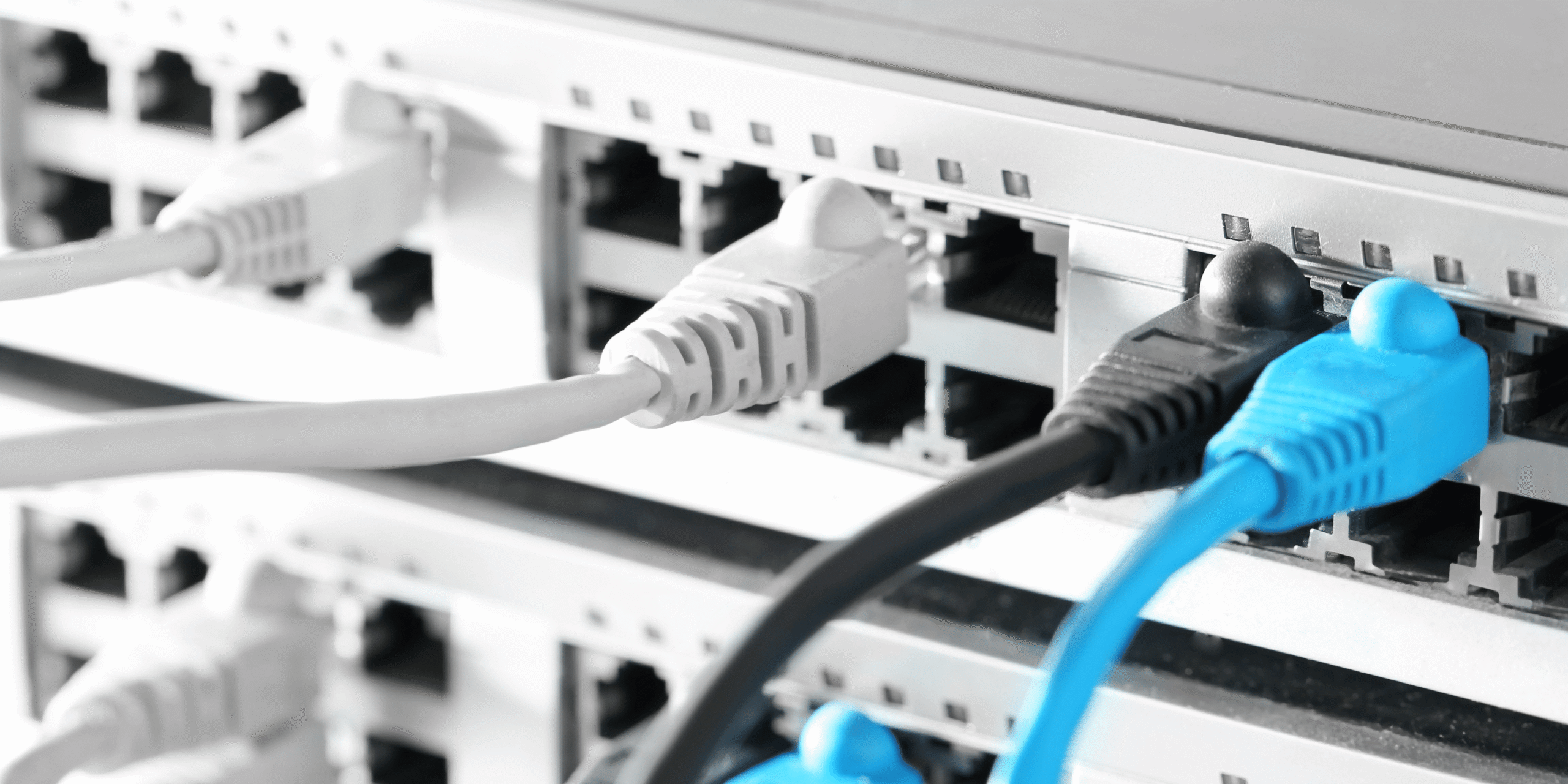
To operate, an IXP requires equipment such as a switch, routers, servers, a neutral hosting space, as well as reliable power, cooling systems, security, and specialized engineers to ensure its operation. It can be stand-alone or installed in a data center.
What is an IXP used for?
According to the African Union, Internet exchange points offer immediate and lasting benefits. In the short term, they significantly reduce costs by avoiding the need for local traffic to transit expensive international links. Local bandwidth becomes more accessible, connections become faster thanks to fewer hops, and engineers acquire new skills in managing BGP or Internet resources. IXPs also provide greater resilience: in the event of an undersea cable or satellite failure, local traffic continues to flow normally.
In the long term, they promote the development of the local digital market. They stimulate the creation of neutral data centers, the hosting and access to local content, as well as the emergence of new services based on fast and reliable connections. By offering more choices to operators for routing traffic, they boost competition and improve overall network performance.
What are the challenges for Africa?
The number of IXPs is growing rapidly across the continent. According to a study by the Coalition for Digital Africa published in May 2024, there are 63 operational IXPs in 38 countries, compared to only 36 in 26 countries in 2016. Despite this progress, 16 countries still do not have one, while demand for broadband connectivity is growing rapidly. The GSMA predicts that mobile subscription traffic in sub-Saharan Africa will increase from 1.9 GB per month in 2023 to 8 GB in 2030.
“Building an IXP is neither technically complex nor expensive. When local operators sell access to the “Internet,” they are actually selling access to other people’s networks, including those of their competitors. They often don’t realize this, especially in emerging markets. However, if they refuse to interconnect locally, they will have to do so abroad, with higher costs and reduced performance ,” underlines the “Africa Domain Name Industry Study” report by the Coalition for Digital Africa.
IXPs could help lower the price of internet, one of the main demands of African users. According to the International Telecommunication Union (ITU), the cost of fixed internet still represented 14.8% of gross national income per capita in Africa, compared to 4.48% for mobile internet. The ITU considers a service affordable when this share does not exceed 2%.
The high cost of services remains one of the main obstacles to internet adoption on the continent. Lowering prices could change this by promoting access and widespread use of digital technology. According to ITU figures, only 37.5% of the African population was using the internet in 2024.
Back