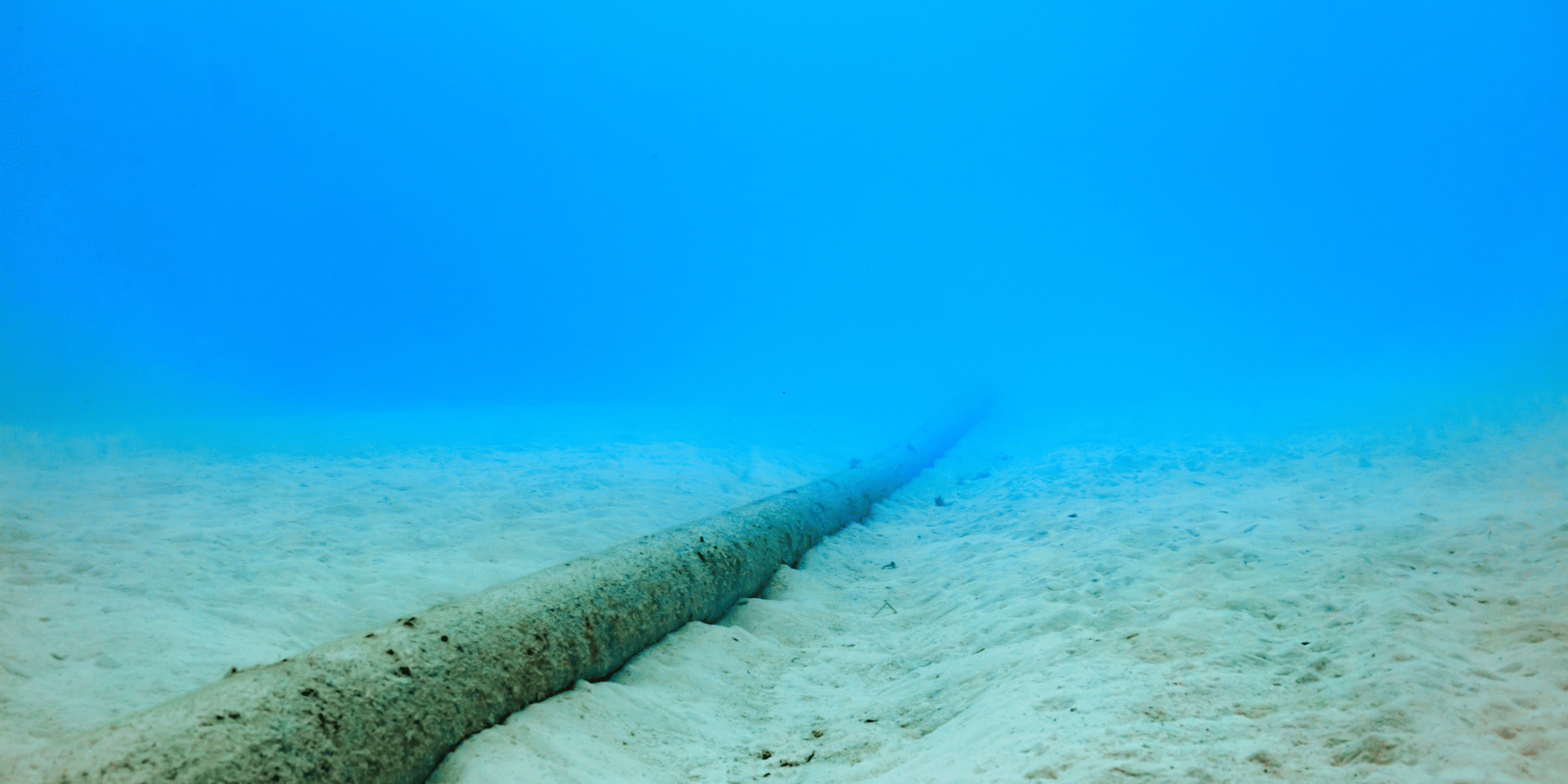
Guinea Joins Medusa Africa Cable Project to Reduce Reliance on ACE Cable
May 7th 2026
- Guinea joined Medusa Africa submarine cable project to strengthen internet resilience
- New cable aims reducing dependence on existing ACE international connection infrastructure
- Authorities expect improved connectivity supporting digital services and economic transformation
Guinea officially joined the Medusa Africa submarine cable project on Wednesday, signing a construction and maintenance agreement (C&MA). The agreement is aimed at securing a second international internet link to reduce Guinea’s dependence on the ACE cable and strengthen the resilience of its digital infrastructure as internet usage grows rapidly.
At a ceremony in Conakry, Prime Minister Amadou Oury Bah called the project “a matter of sovereignty and national security.” He said digital development was now essential to the country’s economic competitiveness. He also called for faster expansion of the national fiber optic network to improve internet capacity distribution across the country.
The Medusa Africa project involves the deployment of a next-generation submarine cable linking Europe, North Africa, West Africa and the Middle East. For Guinea, the cable will provide a backup international connection, reducing the risks associated with reliance on a single international route. Since connecting to the Africa Coast to Europe (ACE) cable in 2014, the country has experienced several internet disruptions caused by incidents on that infrastructure. Authorities hope the new cable will improve service continuity, increase available bandwidth and strengthen connectivity.
The signing comes as Guinea accelerates digital investments under the Simandou 2040 program, which identifies the digital sector as a driver of economic transformation. The government is already participating in the World Bank-supported WARDIP regional program and has launched several initiatives to strengthen its national fiber backbone and interconnections with neighboring countries. Despite these efforts, internet access remains limited. According to DataReportal, internet penetration in Guinea stood at 26.5% in 2025, while connectivity costs remain well above recommended affordability thresholds.
The arrival of a second submarine cable could help gradually reduce those costs. In a study published in 2024, the World Bank estimated that each doubling of submarine cable capacity in Africa leads to an average decrease of 7% in fixed broadband prices and 13% in mobile broadband prices. Beyond improving internet access, Guinean authorities are also counting on the investment to support digital services in education, health, finance and public administration.
The project’s impact will also depend on Guinea’s ability to expand its terrestrial fiber network and improve coverage outside major cities. A new submarine cable alone is unlikely to automatically lower prices or rapidly expand internet access, particularly in poorly connected rural areas.
Back