Equatorial Guinea’s State Telecom Operator Targets 5G, Fiber, and Mobile Money
June 2nd 2026
- GETESA has launched a modernization plan that includes 5G, expanded fiber-optic infrastructure, public Wi-Fi, and a new mobile money platform.
- The initiative follows audits that identified major weaknesses in network capacity, equipment, and service quality.
- Authorities see the overhaul as a key step in Equatorial Guinea’s broader digital transformation agenda.
Equatorial Guinea has launched a broad modernization program for state-owned telecom operator GETESA as the country seeks to strengthen digital infrastructure and meet growing demand for connectivity services.
The initiative is part of an effort to revitalize the historic operator at a time when digital transformation is becoming a national priority.
Network modernization forms a central component of the immediate and short-term plan introduced by GETESA’s new chief executive officer, Charles Borome Razafimahatratra. The strategy was recently presented to Equatorial Guinea’s Vice President, Teodoro Nguema Obiang Mangue.
A Technology Upgrade
The first phase of the plan will span 12 months. It includes optimization of the national telecommunications network, expansion of mobile and internet coverage, and a broader digital transformation of the company through the acquisition of modern equipment.
The program also calls for the reactivation of the country’s fiber-optic network, which until now has been used exclusively by the national electricity company, SEGESA, to connect its power substations.
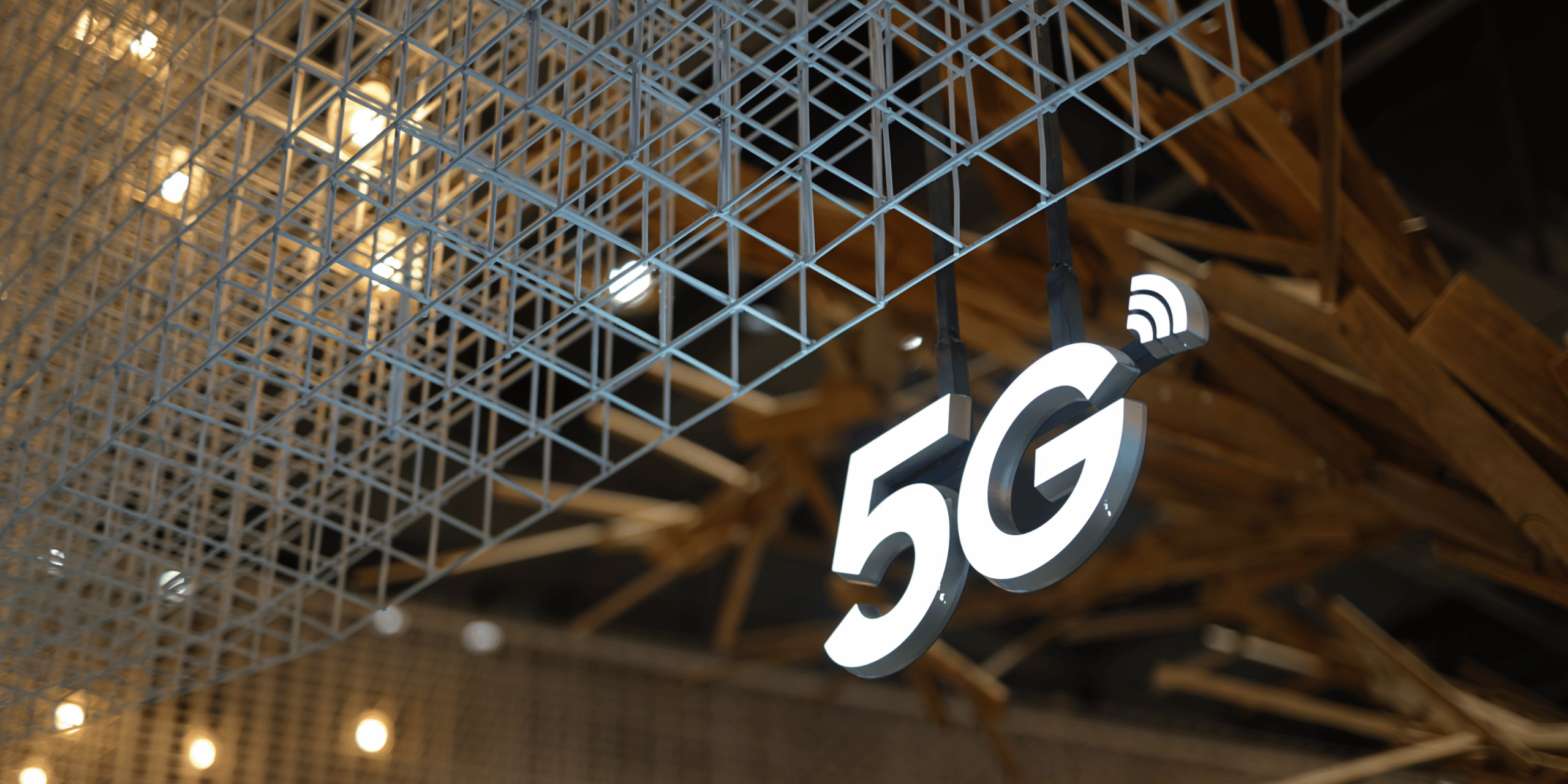
Other key initiatives include the introduction of 5G services and the deployment of public Wi-Fi networks in the cities of Malabo, Bata, and Oyala, as well as in rural and urban communities across the country.
The plan also includes upgrades to the company’s energy and technical infrastructure. Another major component is the full digitalization of GETESA’s operations through a paperless management system designed to reduce logistics costs. The company also plans to launch Getesa Money, a financial platform that will provide electronic payment services.
The roadmap further includes the restoration of international roaming services and the introduction of eSIM technology.
Persistent Connectivity Challenges
The modernization effort comes as Equatorial Guinea’s telecommunications network continues to face significant challenges.
An audit conducted by consulting firm Cyberteq, the results of which were presented in April 2026, identified major shortcomings in equipment, network speed, capacity, and technical planning.
The report also highlighted aging infrastructure, slow data transmission speeds, and dropped calls caused by network congestion. Cyberteq recommended a roadmap to address these weaknesses through technology upgrades, network-capacity expansion, and an investment plan aimed at improving service quality and extending coverage in line with the country’s digital transformation goals.
Also in April, consulting firm Mason recommended that Equatorial Guinea connect to the Medusa submarine cable, which would become the country’s second international undersea cable. The project is expected to cost between €20 million and €60 million ($23.3 million to $70 million) and is intended to reduce internet outages while improving network stability and service quality. The infrastructure is expected to become operational between 2029 and 2030.
A Foundation for Digital Transformation
Once rehabilitated and fully operational, GETESA’s network could become a cornerstone of Equatorial Guinea’s digital transformation strategy. Improved infrastructure and service quality would help accelerate the digitalization of the national economy, with connectivity serving as a key enabler across both the public and private sectors.
For households, better connectivity would improve access to essential digital services, including communications, online learning, mobile financial services, and entertainment platforms. For businesses, stronger digital infrastructure would support competitiveness, expand e-commerce opportunities, increase the use of cloud services, and facilitate the adoption of more advanced digital management tools.
According to DataReportal, Equatorial Guinea had 885,000 mobile subscribers at the end of 2025, representing mobile penetration of 45.4%. The country also counted 1.18 million internet users, equivalent to 60.4% of the population.
Back