Nigeria Adds Two Satellites to Close Connectivity Gaps and Boost Digital Capacity
August 25th 2026
- Nigeria has approved two new communications satellites to increase national connectivity capacity.
- The satellites will support broadband, broadcasting, businesses and government communications.
- The first launch is planned by the end of 2028, with the second expected in 2029 or 2030.
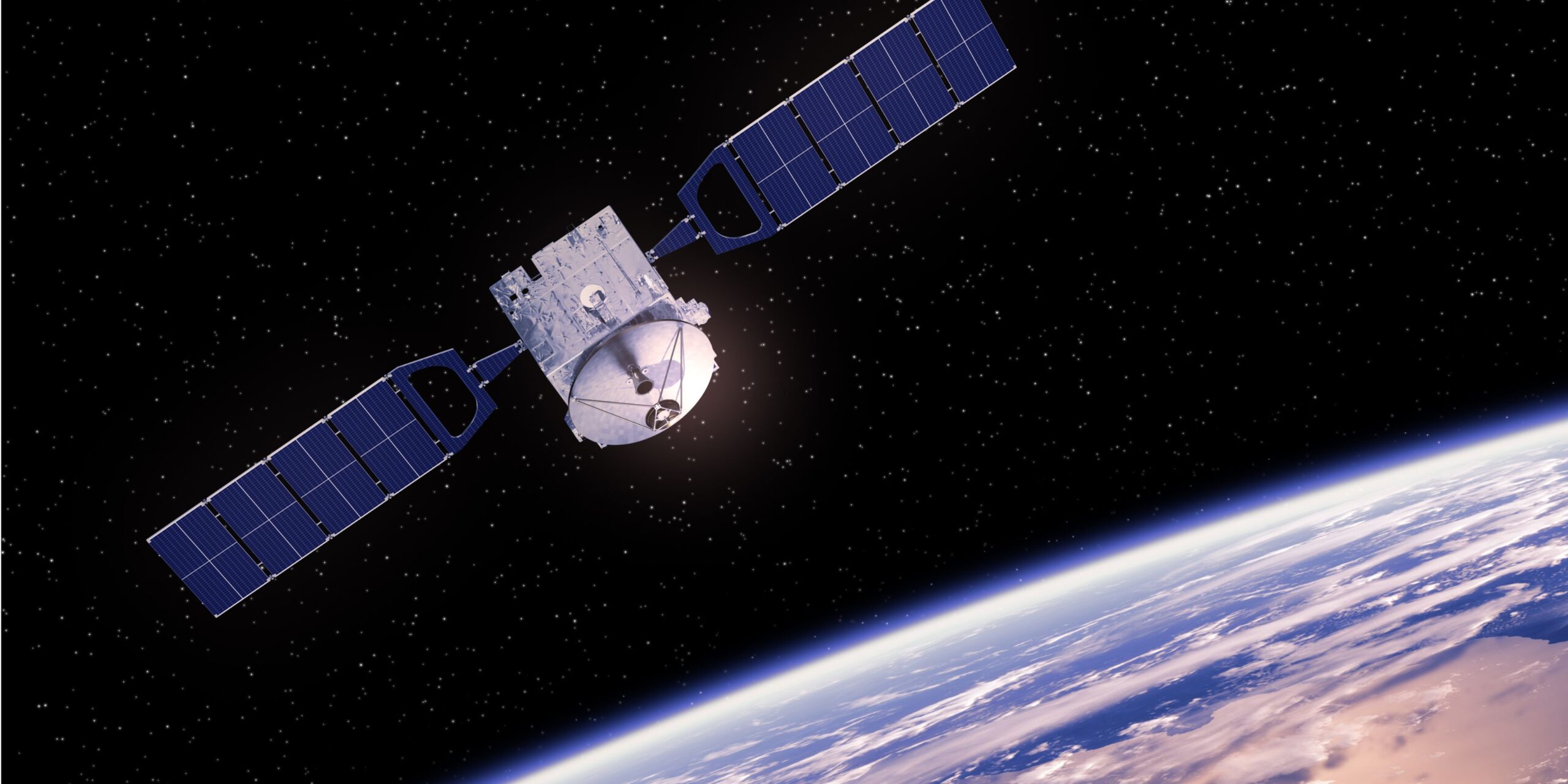
Nigeria has approved two new communications satellites to increase its digital capacity as the country seeks to address infrastructure gaps that continue to limit connectivity.
The Federal Executive Council approved the acquisition and deployment of NIGCOMSAT-2A and NIGCOMSAT-2B on Aug. 22. The next-generation satellites are expected to add capacity for broadband, broadcasting, business connectivity and government communications.
Nkechi Egerton-Idehen, managing director of NIGCOMSAT, said the priority is to turn the investment into tangible benefits for Nigerians while strengthening the company’s position in the global satellite and digital economy.
The decision comes as Nigeria seeks to address weaknesses in its digital infrastructure. In May, Communications, Innovation and Digital Economy Minister Bosun Tijani said years of underinvestment in infrastructure had contributed to the country’s connectivity problems.
The government is seeking to add infrastructure through the BRIDGE project and new telecom sites, while also increasing Nigeria’s satellite capacity. Several steps remain before manufacturing can begin. NIGCOMSAT must formalize agreements with technology partners, finalize contracts and complete technical planning.
Israel Aerospace Industries and Thales Alenia Space are expected to take part in the project, according to NIGCOMSAT. The first satellite could launch by the end of 2028, while the second is expected in 2029 or 2030.
Nigeria already operates NigComSat-1R, which was launched in December 2011. It replaced NigComSat-1, which was lost in 2008 after an in-orbit failure.
Back