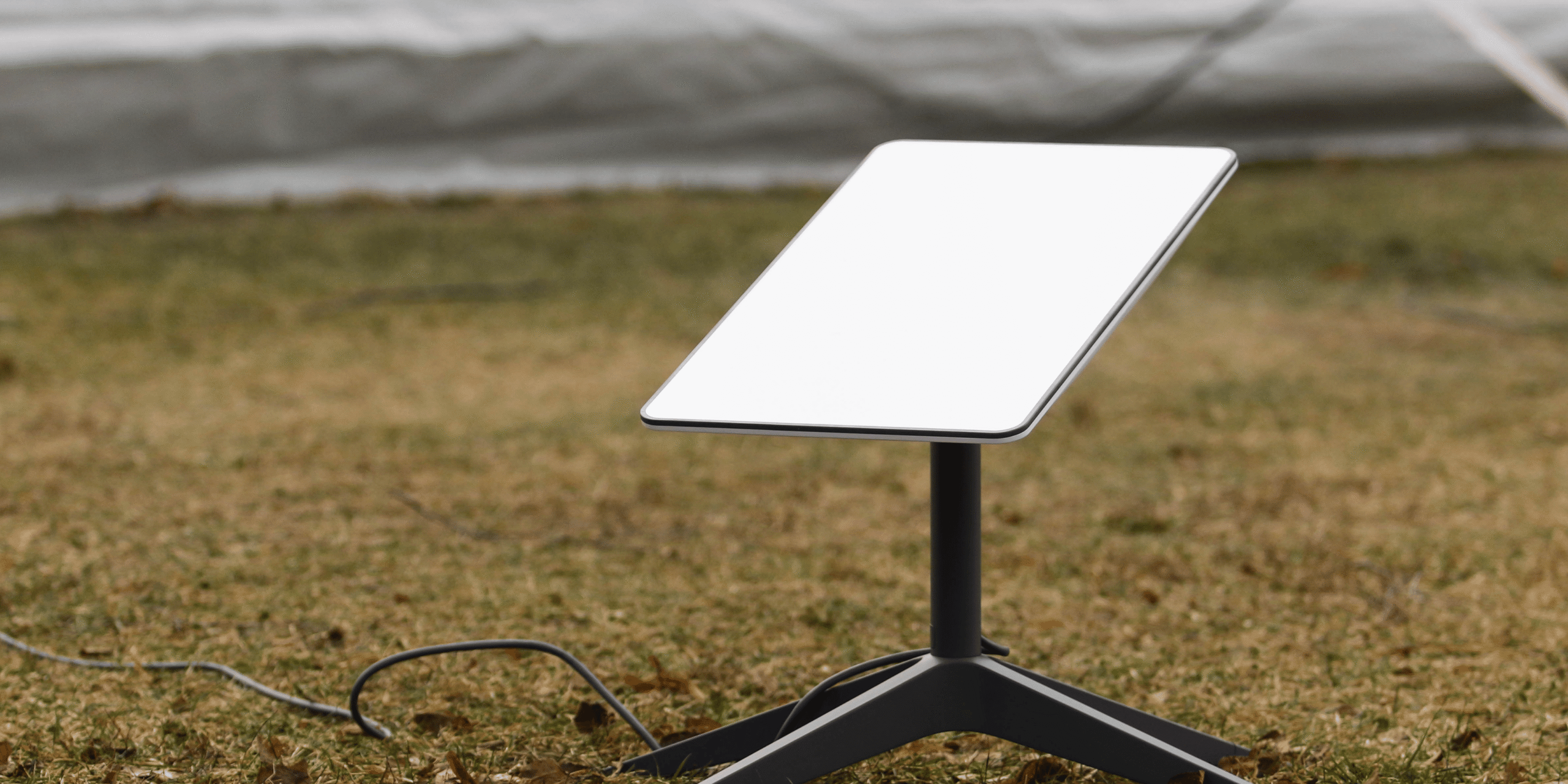
Canadian Telecom Firm NuRAN Explores Starlink for Hard-to-Reach Rural Mobile Sites in Africa
September 24th 2026
- NuRAN is testing Starlink at a rural mobile site in Nigeria before a potential rollout to other African markets.
- Satellite backhaul could connect sites where fiber and microwave links are too difficult or expensive to deploy.
- NuRAN had 5,092 sites covered by nine MTN and Orange contracts across eight countries at the end of June 2026.
Canadian telecom infrastructure company NuRAN Wireless is testing Starlink at a rural mobile site in Nigeria to determine whether satellite backhaul can connect locations where terrestrial infrastructure is difficult or costly to deploy, with the technology potentially extending to other African markets.
NuRAN said on September 22 that the Starlink service used for the pilot is provided through a third-party provider. The company therefore has no direct contractual or commercial relationship with Starlink or SpaceX for the trial. The pilot is being conducted in partnership with Infratel.
Satellite Could Extend Rural Network Reach
NuRAN says Starlink could make previously difficult-to-connect rural sites accessible while providing them with greater transmission capacity. The company sees satellite connectivity as particularly useful in areas where geography, limited infrastructure or high costs make terrestrial connections difficult.
A mobile tower needs a connection to the operator’s wider network to carry users’ data. This backhaul connection can typically rely on fiber-optic cables or microwave links.
In some rural areas, however, those technologies can be difficult or expensive to deploy. Satellite connectivity offers another option because it can provide coverage without the same terrestrial infrastructure requirements.
NuRAN does not plan to systematically replace terrestrial connections with satellite technology. The company intends to continue using fiber, microwave links and other technologies where local conditions allow, with satellite serving locations where geography or costs make those alternatives less suitable.
The company has previously explored satellite backhaul for its African rural infrastructure through providers including Avanti Communications and Eutelsat. The new pilot introduces Starlink’s low-Earth-orbit satellite service into NuRAN’s network.
NuRAN Has More Than 5,000 Sites Under Contract
The trial comes amid continued demand for telecommunications infrastructure across Africa, particularly in underserved rural areas. NuRAN currently operates in Cameroon, the Democratic Republic of Congo, Côte d’Ivoire and Benin, where it deploys and operates sites for telecom operators including Orange and MTN. The company has also begun its expansion into Madagascar.
At the end of June 2026, NuRAN had 5,092 sites covered by nine Network-as-a-Service contracts with MTN and Orange across eight countries. Some of those sites are already operational, while others have yet to be deployed.
The company aims to increase its contracted portfolio to 10,000 sites within five years of the launch of its NaaS model. That expansion places NuRAN in an African telecom infrastructure market that also includes major companies such as IHS Towers, Helios Towers and American Tower, although their business models and geographic footprints differ.
NuRAN’s ambitions extend beyond deploying mobile sites. The company plans to progressively increase their capacity and uses so they can support additional digital services. Potential applications include edge computing, artificial intelligence and energy management systems.
Back