Angola Expands Terrestrial Fiber Network to Widen Broadband Coverage
October 5th 2026
- Angola plans to expand its terrestrial fiber network and add a domestic submarine cable linking coastal cities to improve broadband capacity and national connectivity.
- The country already has extensive fiber infrastructure, but limited sharing between operators, uneven deployment and problems with some existing networks have reduced its effectiveness.
- The expansion is part of a wider connectivity push that includes satellite services and links to the 2Africa cable, while nearly 60% of Angolans still remained offline in 2024.
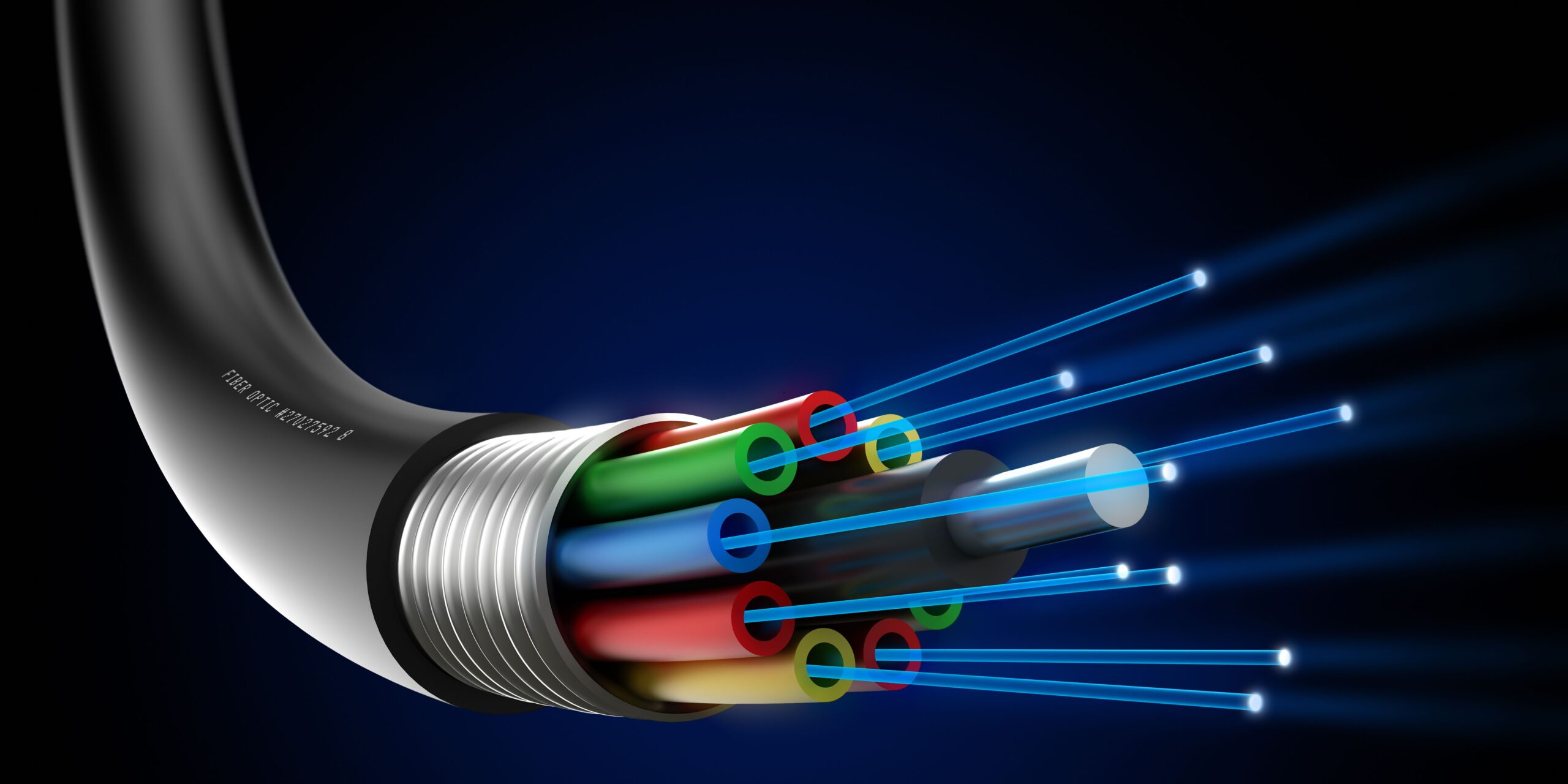
The Angolan government announced on Wednesday, September 30, a plan to expand the country’s terrestrial fiber-optic network. The initiative is part of a broader effort to upgrade connectivity infrastructure, expand broadband coverage and improve access to telecommunications services nationwide.
According to a government statement published on its Facebook page, the project will also include a domestic submarine cable linking coastal cities.
Fiber Remains Critical to Broadband Expansion
Fiber-optic networks provide the high-capacity connections needed to carry data between different parts of the country. In its 2023 diagnostic of Angola’s digital economy, the World Bank said terrestrial fiber was becoming essential for major backhaul links because microwave and satellite technologies cannot always provide enough capacity to meet current and future demand.
Angola already had about 32,000 km of fiber infrastructure when the report was prepared, but the World Bank identified gaps in how the network was used and where infrastructure was deployed, as well as limited infrastructure sharing among operators.
The report also highlighted problems affecting some industry players. It described Angola Telecom, the state-owned incumbent telecom operator, as an “unreliable provider of last resort” and said its domestic coastal cable remained out of service because repairs were prohibitively expensive. Unitel, Angola’s largest mobile operator, had 14,000 km of transport fiber but did not offer wholesale access to other operators despite having substantial excess capacity.
According to the World Bank, the networks operated by the Benguela railway company and the national electricity transmission system were the country’s most reliable third-party fiber providers. Their coverage, however, remained limited to areas along their respective rail and power networks.
Other Connectivity Projects Move Forward
The terrestrial network expansion comes as Luanda pursues several projects aimed at strengthening existing digital infrastructure. Conecta Angola is one of the main components of that strategy. It uses ANGOSAT-2, Angola’s national telecommunications satellite, to provide connectivity to communities beyond the reach of conventional terrestrial and mobile networks.
In April 2025, the Angolan Institute of Communications (INACOM) said the program had installed 20 access points in 16 provinces and enabled more than 350,000 people in remote areas to access the Internet free of charge.
The program has since expanded into commercial services. Launched in December 2025, the commercial version uses ANGOSAT-2 capacity and allows entrepreneurs and local operators to distribute communications services in hard-to-reach areas.
Conecta Angola is also expected to be connected to the 2Africa submarine cable. Announced in late September, the connection is intended to increase bandwidth available to VSAT traffic. Traffic from communities connected through ANGOSAT-2 is transmitted to the project hub before being routed to national and international networks through 2Africa.
Authorities have also discussed the Ilumina Angola project, which is intended to establish a shared-investment mechanism for operators interested in developing new infrastructure, implement national roaming and promote competition and the financial sustainability of the sector through public policy and regulation.
These investments come while Angola continues to face a significant digital divide. According to data from the International Telecommunication Union (ITU), about 59.3% of Angola’s population did not use the Internet in 2024. The same source indicates that 3G, 4G and 5G mobile broadband networks covered 90.9%, 80.3% and 33.8% of the population, respectively, in 2025.
Back